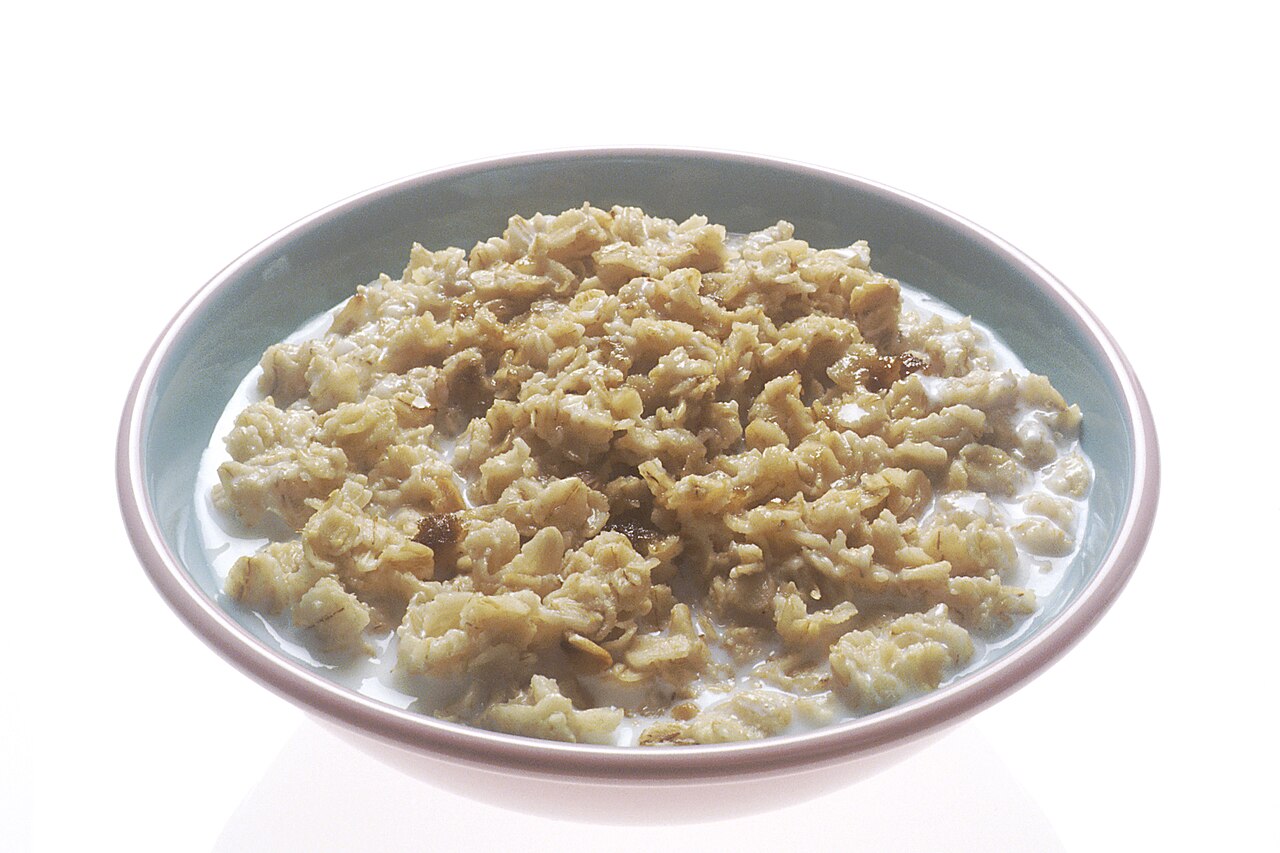
Porridge: A 12,000-Year Global Journey of Sustenance
Few dishes can boast a lineage as long and distinguished as porridge. For over 12,000 years, this humble yet incredibly versatile meal has nourished humanity, adapting to countless cultures, climates, and culinary traditions. More than just a simple breakfast cereal, porridge represents a foundational pillar of human nutrition, a testament to ingenuity, and a global comfort food that continues its journey from ancient hearths to modern gourmet tables. Its story is woven into the very fabric of civilization, reflecting our ancestors' quest for sustenance and our ongoing appreciation for simple, wholesome fare.
The Ancient Roots of Porridge: A Neolithic Revolution Staple
The genesis of porridge coincides directly with one of humanity's most profound shifts: the Neolithic Revolution. Around 12,000 years ago, as hunter-gatherer societies began to domesticate cereal grains like wheat, barley, and millet, they unlocked the potential for stable, surplus food production. This agricultural revolution gave birth not only to settled communities but also to the concept of cooking these new, starchy resources into an easily digestible form.
Early farming communities quickly recognized the immense value of boiling ground, crushed, or chopped grains in water. This process transformed hard kernels into a soft, nutrient-rich mush, making vital carbohydrates accessible even to those with developing teeth or digestive systems. Evidence from the Andes points to quinoa-based porridges enjoyed over 3,000 years ago, while Chinese civilizations were savoring rice congee as far back as 2500 BCE. This ancient food played a pivotal role in human population growth, providing reliable energy and even contributing to shorter breastfeeding periods as a complementary food for infants. Across continents, from the Fertile Crescent to the Americas, porridge emerged as a universal solution to the fundamental need for nourishment, shaping diets and cultures for millennia.
What Exactly Is Porridge? Defining a Culinary Chameleon
At its core, porridge is a dish created by simmering or boiling ground, crushed, or chopped starchy plants—most commonly cereal grains such as oats, rice, barley, or corn—in a liquid like water, milk, or broth until it achieves a thick, creamy consistency. This cooking method breaks down complex carbohydrates, making the dish inherently soft, often described as soupy yet substantial, and wonderfully comforting.
However, the magic of porridge lies in its remarkable adaptability. Its intrinsically bland base serves as a perfect culinary blank canvas, inviting customization with an astonishing array of ingredients. Beyond traditional grains, pseudocereals like quinoa and buckwheat are frequently used. The additions can transform the dish entirely: from sweet embellishments like fruits, honey, spices, and nuts, to robust savory components such as meats, vegetables, cheeses, and herbs. Preparation methods have also evolved, from the slow, deliberate simmering in communal pots—a tradition still cherished for authentic Scottish oatmeal—to modern techniques involving quick-cooking varieties, pre-soaking (like overnight oats), or even innovative presentations such as grilling cooled polenta. This inherent versatility has cemented porridge's status as a global staple, transcending culinary boundaries and sustaining diverse populations.
From Humble Beginnings to Global Gastronomy: Porridge Variations Across Cultures
The global tapestry of porridge is rich and varied, reflecting local resources and culinary traditions. While oatmeal might be the most globally recognized form today, made from rolled, steel-cut, or instant oats, it's merely one thread in this vast fabric. In Scotland, for instance, a slowly simmered, often salted oatmeal porridge has been a breakfast institution for centuries, embodying warmth and sustenance in a cold climate.
Travel south to the American South, and you'll encounter grits, a corn-based porridge typically made from hominy, often served savory with butter, cheese, or shrimp. Across the Atlantic, Italy boasts polenta, another corn porridge, distinct from grits in its grind and typically creamier texture, often served with rich sauces or ragùs. The sheer diversity of porridge extends far beyond these Western examples. In Asia, congee reigns supreme – a delicate rice porridge, often cooked for extended periods until the grains nearly dissolve. It's enjoyed across China, Vietnam, and other regions, frequently accompanied by savory additions like ginger, spring onions, preserved eggs, or shredded meat, and is revered not just as a meal but often as a comforting, medicinal food.
African and Indian cuisines offer equally compelling variations, utilizing indigenous grains like millet and sorghum. These nutrient-dense porridges form the backbone of many diets, prepared in countless ways to suit local palates. The ability to transform humble grains into a satisfying and customizable meal is what truly defines porridge's enduring global presence, making it a truly universal language of food.
The Enduring Appeal: Nutritional Benefits and Modern Revival
Beyond its rich history and cultural significance, porridge continues to thrive due to its compelling nutritional profile and undeniable comfort factor. It remains an incredibly economical dish, capable of providing substantial energy and essential nutrients from readily available and affordable ingredients. Depending on the grain used, porridge can be an excellent source of complex carbohydrates, dietary fiber, and various vitamins and minerals, promoting sustained energy release and digestive health.
Historically, porridge has played diverse roles, from sustaining Roman legions with barley pottage to symbolizing humility and even poverty, as famously depicted in Charles Dickens' novels where "gruel" marked the plight of the poor. Yet, it also held medicinal value, with 19th-century products like "Invigorating Gruel" marketed for health benefits. Today, porridge is experiencing a significant renaissance. It has moved beyond its traditional breakfast role and embraced gourmet cuisine, with chefs experimenting with heirloom grains, bold savory flavors like roasted vegetables and smoked fish, and artistic presentations. This modern revival underscores its inherent versatility and adaptability, proving that a dish with 12,000 years of history can still innovate and excite contemporary palates.
For home cooks, embracing porridge means endless possibilities. Don't be afraid to experiment with different grains—perhaps a mix of steel-cut oats and quinoa for added texture and protein. Consider savory toppings like a fried egg, sautéed mushrooms, or a sprinkle of nutritional yeast for an umami boost. Sweet versions can be elevated with fresh berries, a swirl of nut butter, or a dash of cardamom. The key is to see porridge not just as a recipe, but as a customizable foundation for healthy, satisfying meals any time of day.
Conclusion
From the ancient fields of the Neolithic Revolution to the bustling kitchens of today, porridge has navigated a remarkable 12,000-year journey as a global emblem of sustenance. More than just a simple mixture of grain and liquid, it embodies human adaptability, nutritional wisdom, and the universal need for comforting, accessible food. Whether enjoyed as a steaming bowl of Scottish oatmeal, a savory plate of Italian polenta, or a soothing bowl of Asian congee, porridge continues to nourish bodies, connect cultures, and remind us of the enduring power of simple ingredients prepared with care. Its timeless appeal ensures that this ancient staple will continue its journey, evolving and delighting palates for many millennia to come.
