Porridge: Ancient Nutrition, Modern Revival, and Cultural Significance
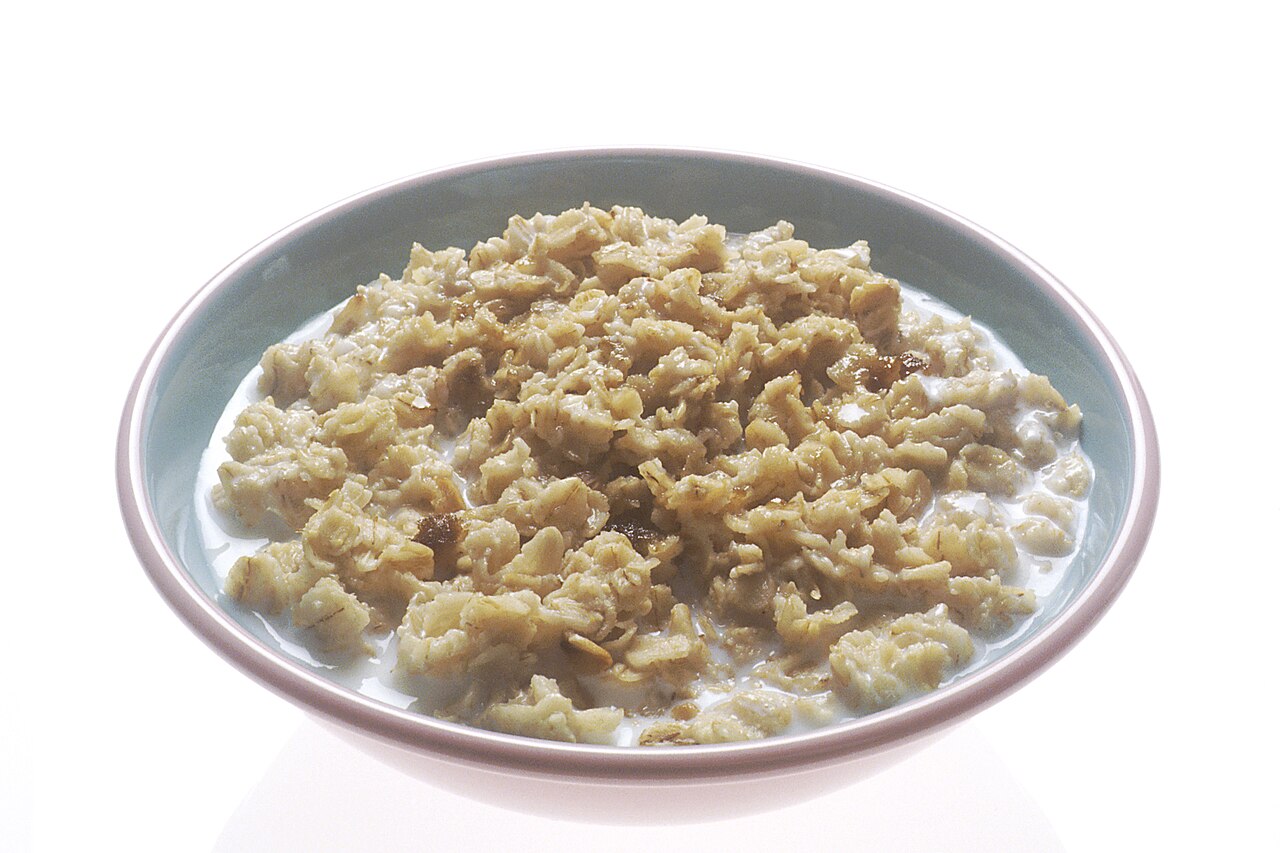
In a world often swept up by fleeting food trends and complex culinary creations, there remains a dish of profound simplicity and enduring power: porridge. More than just a breakfast staple, this humble concoction of boiled grains or starchy plants holds a rich tapestry of history, nutrition, and cultural significance that spans continents and millennia. From the hearty oatmeal that warms a winter morning to the exotic congee savored in Asian kitchens, porridge is a testament to human ingenuity in turning basic ingredients into a nourishing, versatile meal.
The Ancient Roots of Porridge: A Culinary Time Capsule
The story of porridge begins not in a modern kitchen, but in the dawn of agriculture, over 12,000 years ago during the Neolithic Revolution. As early human communities transitioned from hunter-gatherer lifestyles to settled farming, the domestication of cereal grains like wheat, barley, and oats provided a stable, surplus food source. It was in this pivotal era that porridge emerged as a nutritional cornerstone. By grinding, crushing, or chopping these grains and simmering them in water, early farmers created an easily digestible, energy-rich food that played a crucial role in human development.
This ancient food was instrumental in public health and population growth. Its soft, creamy consistency made it suitable for infants and the elderly, allowing for shorter breastfeeding periods and enabling women to have more children. Archaeological evidence scattered across the globe further highlights its antiquity. Quinoa-based porridges have been unearthed in the Andes, dating back more than 3,000 years, while remnants of rice congee in China trace its origins to around 2500 BCE. These discoveries underscore porridge's universal appeal and its fundamental role in sustaining diverse civilizations from their very beginnings. It truly is a Porridge: A 12,000-Year Global Journey of Sustenance, demonstrating its adaptability to local resources and culinary traditions.
From Humble Beginnings to Global Gastronomy: The Versatility of Porridge
What gives porridge its unparalleled staying power is its incredible versatility. At its heart, porridge is a neutral canvas, a semi-liquid base made by simmering grains or starchy plants in water, milk, or broth until it achieves a thickened, often creamy consistency. This inherent blandness, far from being a drawback, is its greatest strength, inviting an endless array of customizations that cater to every palate and cultural preference.
While oats are perhaps the most globally recognized grain for porridge, the spectrum of possibilities is vast. Common ingredients extend to rice, barley, corn, millet, and even pseudocereals like quinoa and buckwheat. But the real magic happens with additions:
- Sweet Variations: Fresh or dried fruits (berries, apples, bananas), nuts, seeds, honey, maple syrup, brown sugar, cinnamon, vanilla, chocolate, and even a dollop of yogurt or cream can transform a simple bowl into a dessert-like treat.
- Savory Creations: This is where modern porridge truly shines, moving beyond its breakfast stereotype. Think roasted vegetables, herbs, spices (turmeric, ginger), cheese, eggs, cooked meats (chicken, bacon, sausage), a drizzle of olive oil, or even a splash of soy sauce. Grains cooked in savory broths provide a robust foundation for a hearty meal.
Regional examples abound, showcasing this adaptability. In the American South, grits, a corn-based porridge, is a breakfast staple often served with shrimp or cheese. Italy boasts polenta, another corn-based variant, which can be creamy or firm, grilled, and paired with rich sauces or meats. Asia, particularly China, celebrates congee (or jook), a rice porridge slow-cooked until incredibly soft, frequently served with savory toppings like preserved duck egg, shredded ginger, spring onions, or shredded chicken. Even traditional Scottish oatmeal, simmered slowly over a fire, can be enjoyed simply with salt or sweetened with cream and sugar. This exploration of diverse preparations truly unpacks Beyond Oatmeal: Unpacking Porridge's Global Flavors & Versatility.
Nutritional Powerhouse: Why Porridge Endures
Beyond its cultural richness, the enduring appeal of porridge is rooted in its profound nutritional benefits. Historically, it provided easily digestible carbohydrates, a vital energy source for active communities. Today, these benefits are more relevant than ever in a health-conscious world.
- Rich in Complex Carbohydrates: Grains like oats, barley, and quinoa deliver sustained energy release, helping to keep you feeling full and focused throughout the morning or after a simple meal.
- Fiber-Packed: Especially whole grains, porridge is an excellent source of dietary fiber. This promotes digestive health, helps regulate blood sugar levels, and contributes to satiety, aiding in weight management.
- Vitamins and Minerals: Depending on the grain, porridge can provide essential nutrients such as B vitamins (thiamine, riboflavin, niacin), iron, magnesium, zinc, and selenium. Fortified versions can further boost these micronutrients.
- Heart-Healthy: Soluble fiber, particularly beta-glucan found in oats, is known to help lower cholesterol levels, contributing to cardiovascular health.
Practical Tip for Boosting Nutrition: To amplify the nutritional punch of your porridge, consider adding a tablespoon of chia or flax seeds for omega-3 fatty acids and extra fiber, a handful of nuts or seeds for healthy fats and protein, or a serving of fresh berries for antioxidants and vitamins. Cooking with milk or a fortified plant-based milk (almond, soy, oat) also adds calcium and vitamin D.
In an age where processed foods often dominate, the simple, whole-food nature of porridge makes it a standout choice for those seeking wholesome, natural nutrition. Its natural satiety helps reduce cravings and overeating, making it a smart choice for maintaining a balanced diet.
The Cultural Threads of Porridge: Beyond the Bowl
The significance of porridge transcends its nutritional and culinary aspects; it is deeply woven into the fabric of human culture, appearing as a symbol of sustenance, humility, and even adversity. Its presence in folklore, literature, and historical accounts illustrates its profound impact on societies throughout history.
Porridge played a vital role in sustaining empires, providing an economical and filling food for common citizens and soldiers alike. From the barley pottage that fueled Roman legions to the millet preparations in ancient India and the sorghum variants in African civilizations, porridge was a practical foundation upon which complex societies were built. It embodies the essence of a dish that provided basic nourishment, often with limited resources.
In literature, porridge has been portrayed in various lights. Charles Dickens famously used "gruel," a thin, watery form of porridge, to highlight the dire poverty and hardship faced by characters like Oliver Twist, making it a powerful symbol of deprivation. Conversely, in other contexts, it symbolized home, comfort, and restorative health. In the 19th century, medicinal remedies like "Invigorating Gruel" were marketed, leveraging its reputation as a gentle, fortifying food for the unwell.
Beyond its symbolic representations, porridge remains a touchstone for tradition. The slow simmering of oatmeal in a communal pot, as practiced in traditional Scottish households, reflects a connection to age-old cooking methods and a simpler way of life. It’s a dish passed down through generations, often evoking nostalgic memories of childhood and comforting meals prepared by loved ones.
Crafting the Perfect Porridge: Tips for the Modern Kitchen
While the concept of porridge is ancient, its preparation has evolved, offering a range of techniques for the modern cook. Achieving that perfect, creamy texture and depth of flavor is an art that is easily mastered.
Basic Preparation Methods:
- Stovetop Simmering: The most traditional method. Combine grains with liquid (water, milk, or a mix) in a saucepan. Bring to a boil, then reduce heat and simmer, stirring occasionally, until the liquid is absorbed and the porridge reaches your desired consistency. This method allows for maximum control over texture.
- Overnight Soaking (No-Cook Porridge): Ideal for busy mornings. Combine rolled oats (or other suitable grains) with liquid and desired additions in a jar or container, then refrigerate overnight. The grains soften and absorb the liquid, creating a ready-to-eat cold porridge.
- Slow Cooker: For larger batches or hands-off cooking, especially with steel-cut oats. Combine ingredients in a slow cooker and cook on low for several hours. This yields incredibly creamy results.
Tips for Enhanced Flavor and Texture:
- Liquid Ratios: Follow package instructions as a starting point, but don't be afraid to adjust. For creamier porridge, use more liquid; for a thicker consistency, use less. A general rule for oats is 1 part oats to 2-3 parts liquid.
- Stirring is Key: Regular stirring, especially with thicker grains, helps prevent sticking and promotes an even, creamy texture by releasing starches. For a richer porridge, stir in a knob of butter or a splash of cream at the end.
- Flavor Infusion: Toast grains lightly in a dry pan before adding liquid to bring out a nutty aroma. Add spices like cinnamon stick or cardamom pods to the simmering liquid, removing them before serving.
- Salt: A pinch of salt, even in sweet porridges, enhances all the other flavors. Don't skip it!
- Experimentation: Don't be limited by traditional recipes. Try different grains, liquids (coconut milk, fruit juice), and toppings to discover your personal perfect bowl of porridge.
Conclusion
From its origins as a fundamental food of the Neolithic era to its contemporary resurgence in gourmet kitchens, porridge stands as a powerful symbol of culinary endurance and adaptability. It is a dish that speaks to human resilience, providing essential nutrition for millennia and continuing to evolve with changing tastes and dietary needs. Whether enjoyed as a comforting breakfast, a hearty lunch, or a creative dinner, its simplicity, versatility, and undeniable health benefits ensure its place as a cherished staple across the globe. So, next time you reach for a bowl of this humble dish, remember you're not just enjoying a meal, but partaking in a culinary tradition that has nourished humanity for over 12,000 years.
